From Arthroscopy to Knee Replacement:
Understanding Your Surgical Options
What is Arthroscopy?
Arthroscopy is a minimally invasive surgical procedure used to diagnose and treat joint problems by inserting a small camera, called an arthroscope, into the joint through tiny incisions. This technique allows the Best Orthopedician in Guntur to visualize, assess, and repair damaged tissues such as cartilage, ligaments, or tendons with precision, often avoiding more invasive open surgery. Commonly performed on knees, shoulders, and ankles, arthroscopy offers benefits like reduced pain, shorter recovery times, and minimal scarring. Its versatility and effectiveness have made it a preferred method for managing joint issues, enabling quicker return to daily activities and improved joint function.
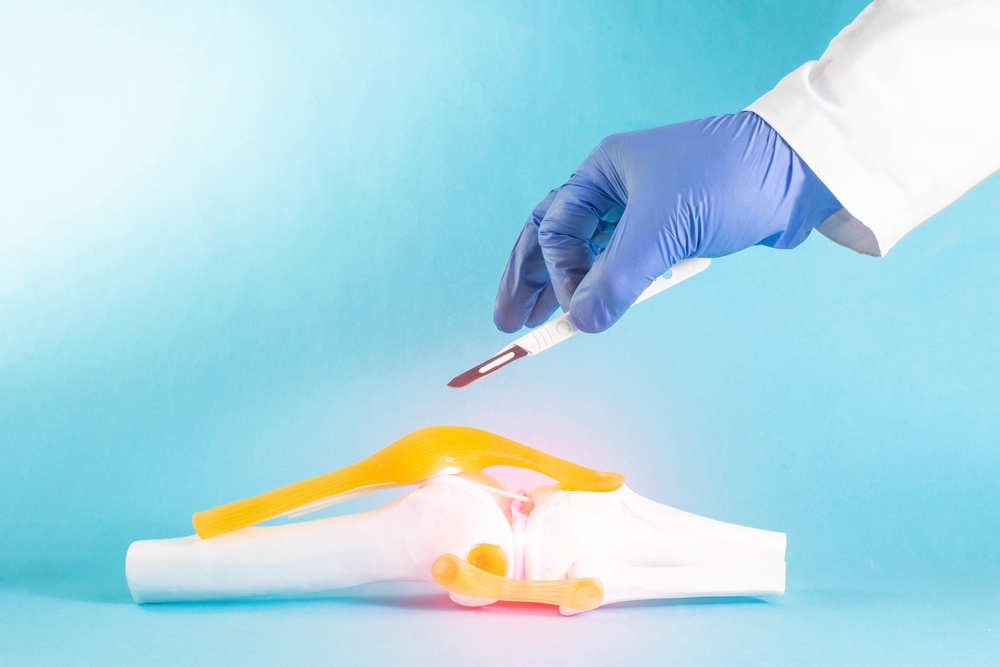
- It is a form of "keyhole" surgery, which involves making tiny incisions to access a joint.
- Arthroscopy allows for both diagnosis of the source of joint pain and simultaneous treatment of the identified issue.
- The primary tool used is the arthroscope, a slender tube equipped with a light and camera that project images onto a video monitor, enabling the surgeon to view the interior of the joint.
How is Arthroscopy Performed?
Arthroscopy is a minimally invasive surgical procedure performed by inserting a small, pencil-sized camera called an arthroscope through a tiny incision near the joint. The Orthopedic surgeon in Guntur inflates the joint with sterile fluid to improve visibility and inserts the arthroscope to examine the internal structures. Specialized instruments are then introduced through additional small incisions to repair or remove damaged tissue, such as cartilage or ligaments. The entire process typically lasts 30 to 60 minutes, with minimal discomfort and quick recovery. This technique allows precise diagnosis and treatment with less tissue trauma compared to open surgery, making it a preferred approach for joint issues.
Benefits of Arthroscopy
- Minimally invasive procedure reduces tissue damage and scarring, promoting quicker recovery.
- Less postoperative pain compared to open surgery enhances patient comfort.
- Shorter hospital stays allow for faster return to daily activities.
- High precision enables accurate diagnosis and targeted treatment of joint issues.
- Reduced risk of infection due to smaller incisions.
- Allows for comprehensive joint examination and immediate intervention if necessary.
- Lower overall healthcare costs from shortened recovery times and fewer complications.
- Enables early mobilization, improving joint function and reducing stiffness.
- Suitable for a wide range of joint disorders, including ligament tears and cartilage injuries.
- Enhances patient outcomes through less invasive yet effective management.
Commonly Treated Conditions
Arthroscopy is a minimally invasive surgical technique frequently used to diagnose and treat various joint conditions. Commonly treated conditions at the Best orthopedic hospital in Guntur include torn menisci and ligaments in the knee, such as anterior cruciate ligament (ACL) injuries, which often require repair or reconstruction. It is also used for removing loose cartilage or bone fragments, addressing patellar problems, and treating synovitis or inflammation within the joint. In the shoulder, arthroscopy manages rotator cuff tears, impingement syndrome, and labral tears. Additionally, it is effective for ankle and wrist conditions like ligament tears and joint debris removal. This versatile procedure enhances joint function with minimal recovery time.
What is Knee replacement surgery?
Knee replacement surgery, also known as knee arthroscopy in Guntur, is a procedure that involves removing damaged cartilage and bone from the knee joint and replacing it with artificial components called prostheses. This surgery is typically performed to relieve pain and restore function in individuals suffering from severe osteoarthritis, rheumatoid arthritis, or traumatic injury. The artificial knee is designed to mimic the natural movement of the joint, improving mobility and quality of life. Advances in surgical techniques and materials have made knee replacements more durable and less invasive, allowing patients to regain activity levels and reduce discomfort significantly post-surgery.
- The main objective is to alleviate long-term knee discomfort and regain the capacity to carry out everyday tasks such as walking and ascending stairs.
- This surgery is often performed due to severe arthritis or major knee injuries.
- It is deemed appropriate when conservative treatments like medications, injections, and physical therapy have not succeeded in alleviating the condition.
How is Knee replacement surgery Performed?
Knee replacement surgery, also known as total knee arthroplasty, involves removing damaged cartilage and bone from the knee joint and replacing them with artificial components called prostheses. The Knee arthroscopy surgeon in Guntur makes an incision over the knee, carefully exposing the joint, then meticulously shapes the femur and tibia to fit the prostheses. The artificial parts, often made of metal and plastic, are secured to restore function and reduce pain. Once the prostheses are in place, the surgeon tests the joint for stability and range of motion before closing the incision with sutures or staples. The procedure typically requires anesthesia and a brief hospital stay for recovery.
Types of Knee replacement surgery
- Total Knee Replacement Surgery – Total knee replacement surgery in Guntur involves completely replacing the damaged knee joint with a prosthetic device, consisting of metal parts for the femur and tibia, along with a plastic spacer to facilitate smooth movement.
- Partial Knee Replacement Surgery – It involves replacing only the damaged area of the knee joint while preserving the healthy bone and ligaments, making it a less invasive procedure suitable for a select group of osteoarthritis patients and often resulting in a quicker recovery.
- Bilateral Knee Replacement Surgery – A single surgical procedure is performed to replace both knees simultaneously in patients with extensive damage to both joints.
POST – OP Recovery
- Initial recovery involves managing pain and swelling with medications and ice therapy
- Early movement and gentle exercises promote circulation and prevent stiffness.
- Physical therapy is essential for regaining strength, flexibility, and mobility.
- Weight-bearing activities are gradually increased based on doctor’s guidance.
- Maintaining a healthy diet supports tissue healing and energy levels.
- Regular follow-up appointments monitor progress and address complications promptly.
- Using assistive devices like walkers or crutches initially aids safe mobility.
- Avoiding high-impact activities protects the new joint during healing.
- Patience and adherence to rehab protocols are crucial for optimal recovery.
- Full recovery may take several months but results in significant pain relief and improved function.
Key Difference Summary
| ARTHROSCOPY | KNEE REPLACEMENT | |
|---|---|---|
| INVASIVENESS | Minimally Invasive | Open Surgery |
| DAMAGE LEVEL | Minor Damages | Severe Joint Damages |
| GOAL | Repairs Existing Structures | Repairs Damaged Structures |
| RECOVERY | Faster Recovery Period | Longer Rehabilitation Period |
Discover expert care with Dr. Siva Kumar Mamillapalli at Sahasra Hospital, your trusted specialist in advanced joint repair and replacement surgeries. Whether you're battling chronic pain or limited mobility, Dr. Mamillapalli offers personalized treatment plans utilizing the latest surgical techniques to restore your joint health and improve your quality of life. Take the first step toward a pain-free future—schedule your consultation today and experience compassionate, cutting-edge orthopedic care at Sahasra ortho and neuro Centre!
Newsletter
Subscribe our Newsletter to get new updates